


GENDER DEPARTMENT ENGAGES PARENTS ON MISINFORMATION AND DISINFORMATION RELATIVE TO REPRODUCTIVE HEALTH EDUCATION
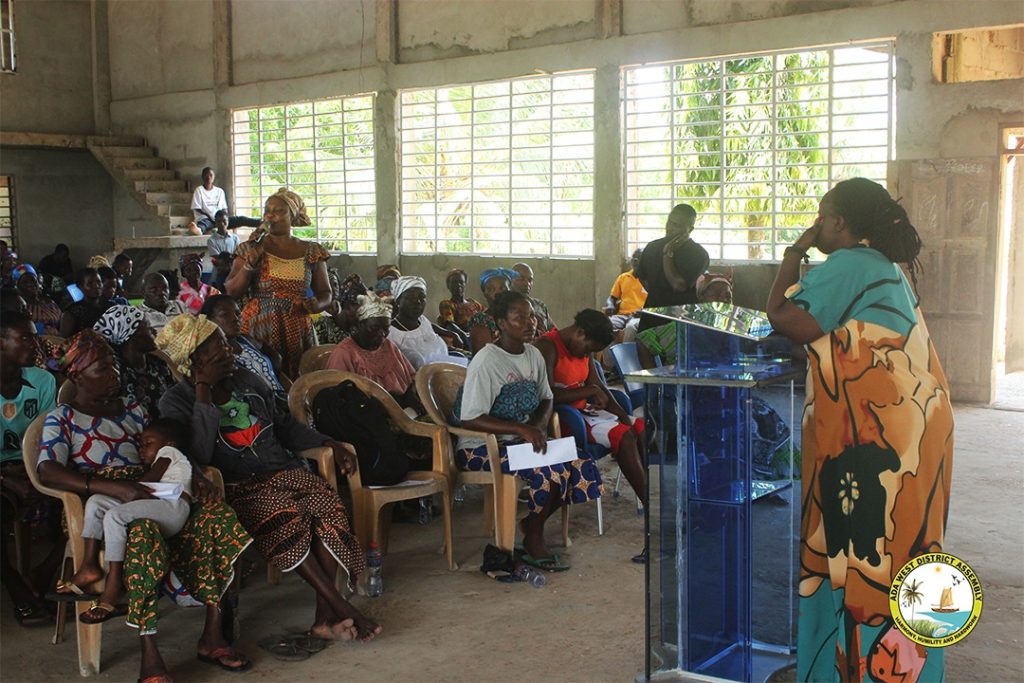
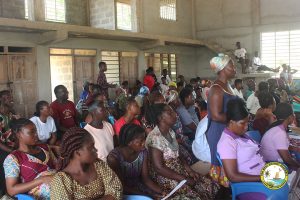
The Department of Gender in collaboration with the Ada West District Assembly (AWDA) on Wednesday, 10th June 2026, held Parents Engagement session in the Ada West District, aimed at strengthening collaboration among key stakeholders to support the wellbeing of young people within the communities.
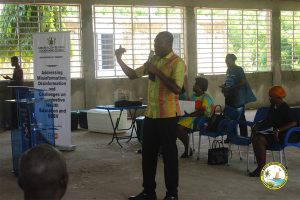
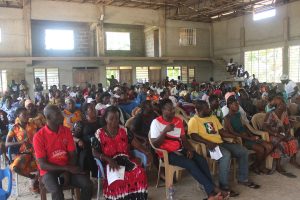
The program which took place at GOI, one of the communities in the GOI Electoral Area in the Ada West District was to create a participatory platform for parents to dialogue on issues of misinformation and disinformation surrounding Human Rights Education and Gender based violence affecting adolescents and young people relative to Reproductive Health Education. It was expected that parents after going through the dialogue session would be empowered to educate their children so they can make informed decisions about their sexual and reproductive health.
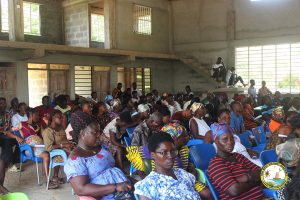

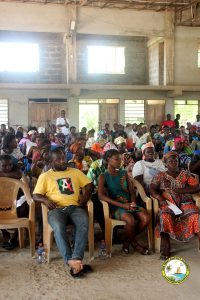
In her opening remarks, Madam Matilda Banfro, the Regional Director of the Department of Gender made the point, that “young people in Ghana face significant challenges in accessing accurate information and services related to Reproductive Health Education (RHE) and Gender-Based Violence (GBV) as required, to be able to make informed decisions about their sexual and reproductive health” and added that “resistance, especially from parents, continue to limit the effectiveness of interventions and efforts put in place by institutions such as the Ghana Health Service and Ministry of Gender, Children and Social Protection, Department of Social Welfare and Civil Society Organizations”. This resistance, Madam Banfro said was often driven by misinformation, cultural norms and fears that reproductive health education encourages early sexual activity and therefore, the engagement session was necessary and essential to build trust and to improve understanding with parents as those who play central role in shaping the lives of young people.
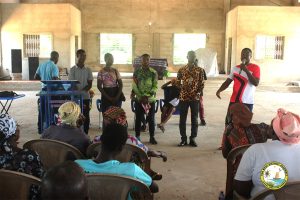
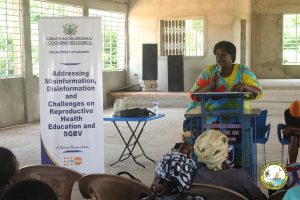
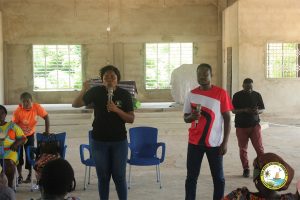
Madam Antoinette Da-Rocha, a representative from Planned Parenthood Association of Ghana (PPAG), Accra, who made a presentation on Reproductive Health Education asked the rhetorical questions; how do parents communicate with their children?, how well do they know their children?, and how well do they understand their issues among others?, and stressed, that parents should be able to communicate with their children freely when talking for instance about reproductive health. Madam Da-Rocha said that in discussing issues about reproductive health with the girl-child, parents should be able to talk plainly when they had to talk for instance about the “vagina” and be emphatic about what the girl-child needs to know and understand about the vagina and indicated that it was not enough to just tell the girl-child that nobody should touch her panties when the focus was to protect the child from being pregnant at the wrong time and age. Parents, she said, should be bold to discuss with the girl-child on reproductive health in a manner that would empower the child to appreciate the dangers of early sex and the consequences thereof.
Madam Antoinette Da-Rocha also cautioned parents not to renege on the responsibility of their children up-bringing and that; it is the responsibility of parents to train their children properly to understand issues about reproductive health. She also admonished parents to be responsible in providing for the needs of their children and not allow their children to be the ones to go out and work in order to look after them when they (the children) are supposed to be provided for instead by the parents. She therefore stressed, that, it is only through discharging one’s responsibility that a parent can be able to have control over the child, and the child would also be able to heed to the counsel of the parent.
On gender-based violence, Madam Da-Rocha said that parents should not conceal violence perpetuated against their children for whatever reason(s) but rather they should be bold to report issues such rape on the girl-child to the appropriate authorities for action and redress as the psychological well-being and the future of the child matters and this must be protected.
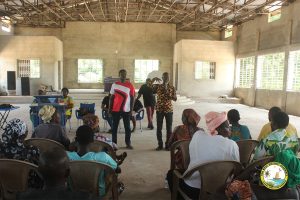
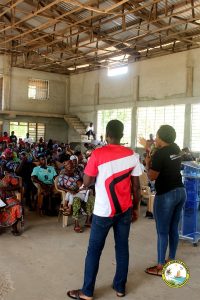
The Greater Accra Regional Director of Department of Gender, Madam Matilda Banfro, who made presentation on Technology Facilitated Gender Based Violence, talked about the kinds of violence visited on young people namely emotional, physical and mental inter alia and cautioned for instance against how young people in relationships sometimes have nude pictures and videos of themselves and when there are issues with the relationship, one would then threaten to put the said nude materials into the public domain. This, she said constitutes violence that is facilitated by technology and urged parents to take responsibility of protecting their children.
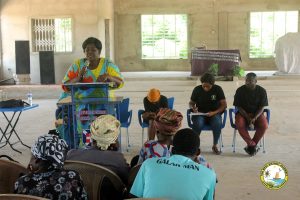
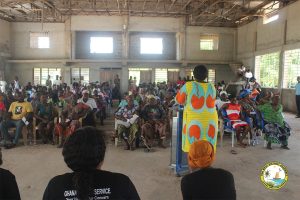
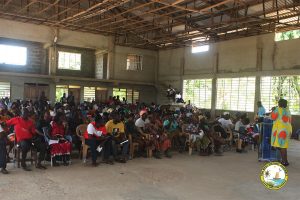
Madam Rebecca Efua Anamam who represented the Ada West Health Directorate talked about the increasing rate of young girls giving birth at ages between 14 to 16 years and yet when issues of family planning is put on the table, they are not interested, and if you try to find out, you would get to know that the parents and the boy friends of these young girls are the ones discouraging them to sign up for any family planning option for various reasons, mostly because of religious and cultural beliefs.
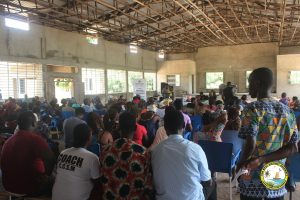
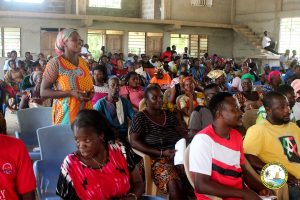
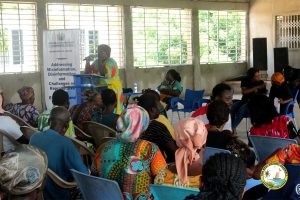
All the issues raised relating to reproductive health education and family life were discussed through participatory engagement, various questions were asked by parents and responses provided. Indeed, the session was not only participatory and engaging, but impactful as it was obvious that some participating parents including the Assembly Member for the area, Hon. Alexander Jampo Sebbie appreciated the program so much that they wished the program did not come to an end.
The Parents Engagement Session organized by the Department of Gender with over one hundred and fifty parents participating, was sponsored by the United Nations Population Fund (UNFPA).
ISD DESK, AWDA
SEGE
Wednesday, June 10th, 2026